Preliminary diagnostics
Initial checks help identify potential areas of concern before the formal inspection process begins.

MOT Ready is an informational resource covering preliminary diagnostics, rectification of identified issues, and checks of brakes, lights, and exhaust in the UK MOT preparation process.
Access the preparation formMOT Ready follows a structured, multi-stage approach to preparing a vehicle for the annual MOT test in the United Kingdom. The process begins with a preliminary diagnostic review that evaluates a range of components against the inspection criteria. Where the diagnostic stage identifies a component outside the relevant threshold, the matter is documented and rectified through a coordinated workflow. Separate checks are then performed on the braking assemblies, the exterior light configuration, and the exhaust emission characteristics. Each observation is recorded to provide a transparent reference for the vehicle owner. These assembled checks and documented findings function as an informational framework that facilitates a clearer understanding of a vehicle's compliance state prior to presentation for testing.
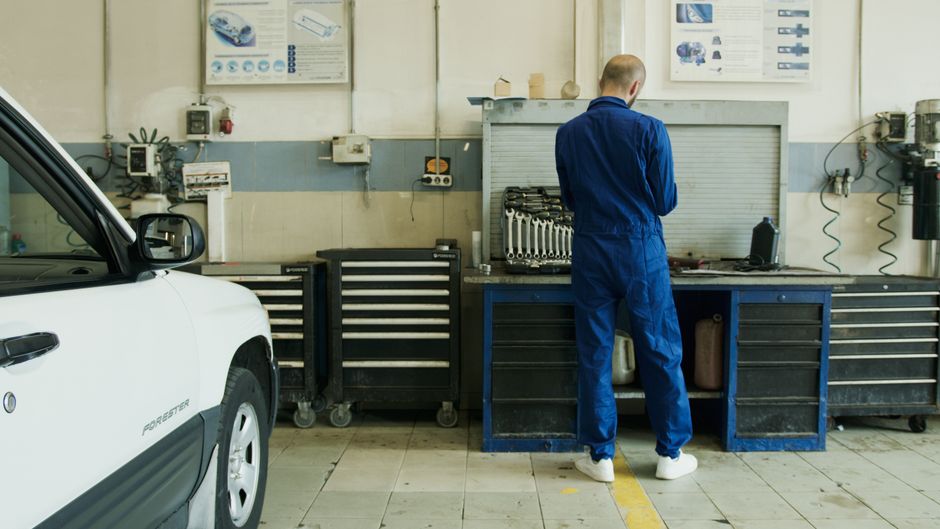
The annual MOT test is a legal requirement in the United Kingdom to verify that vehicles meet safety and environmental standards. The process includes checking components such as brakes, lights, and exhaust systems. Preparation typically involves initial diagnostics, addressing any identified faults, and confirming that all systems are operational, contingent on the vehicle's condition and service history.

Initial checks help identify potential areas of concern before the formal inspection process begins.
Any detected faults are documented and addressed according to established repair methods.
Brake components are examined for wear and performance within specified tolerances.
Lighting functionality and exhaust emissions are checked against current regulatory standards.
The step-by-step diagnostic approach helped me understand what to expect. It's a structured method, though outcomes vary depending on the vehicle's condition.
The focus on brakes and lights was thorough and clear. The process is transparent, but I realise preparation doesn't guarantee a specific test outcome.
The pre-check for exhaust emissions was methodical and informative. It's a useful framework, but context like prior maintenance plays a significant role.
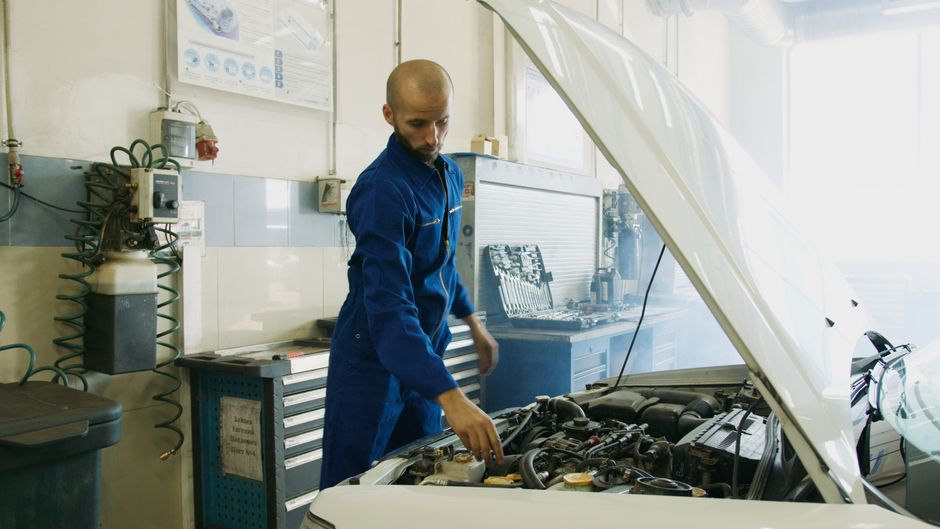
MOT Ready’s preparation service focuses on the systems typically examined during an annual MOT test: brakes, lights, and exhaust. For brakes, we inspect components such as discs, pads, and lines, and use diagnostic tools to identify wear or performance issues that may require attention. Light checks include headlamps, indicators, and other lamps, verifying operation and alignment in line with MOT requirements. Exhaust assessments cover emissions and system integrity, using appropriate testing methods where applicable. When issues are identified, we outline repair or adjustment options, and the final decision on remedial work rests with the vehicle owner. This structured approach helps owners understand which areas may need attention before the official inspection.
Regular maintenance and preparation support a vehicle's condition ahead of an MOT test. Preliminary diagnostics can identify issues, and rectifying them helps owners understand their vehicle's state. This preparation process, which includes checking brakes, lights, and exhaust, may support readiness for the test. The approach focuses on informed awareness rather than outcomes, as test results depend on multiple factors.

Each preparation stage is explained clearly, so you know what is checked and why.
Brakes, lights, and exhaust are assessed to identify areas that may require attention.
Diagnostic findings are documented, providing a factual basis for any voluntary repairs.
If issues are found, you may receive information on common repair approaches for consideration.
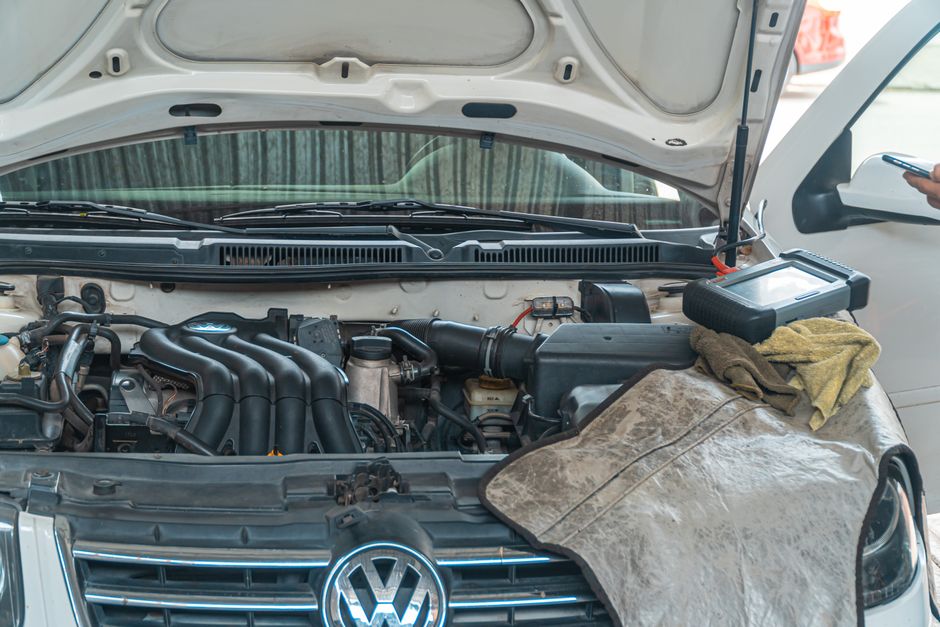
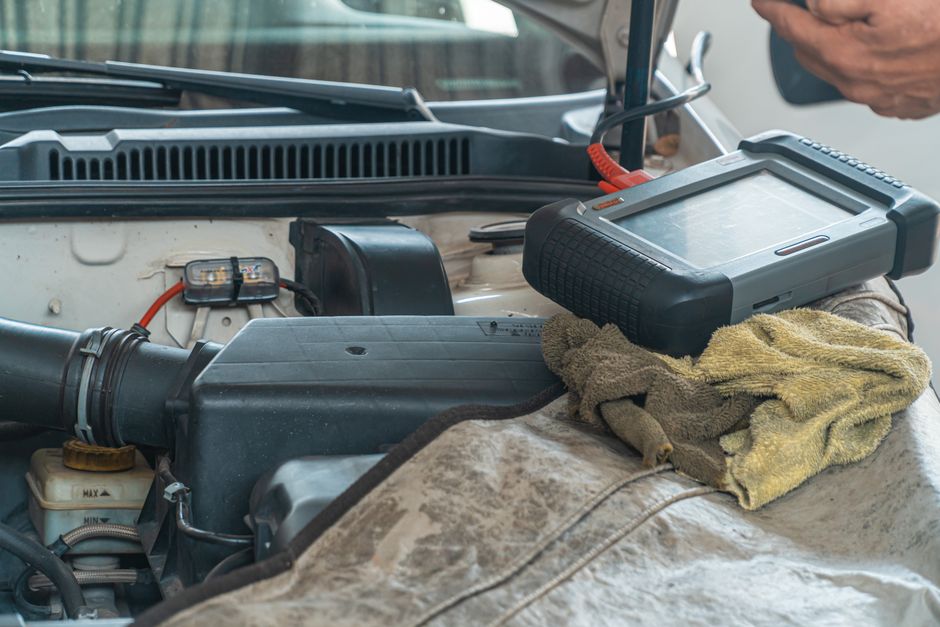
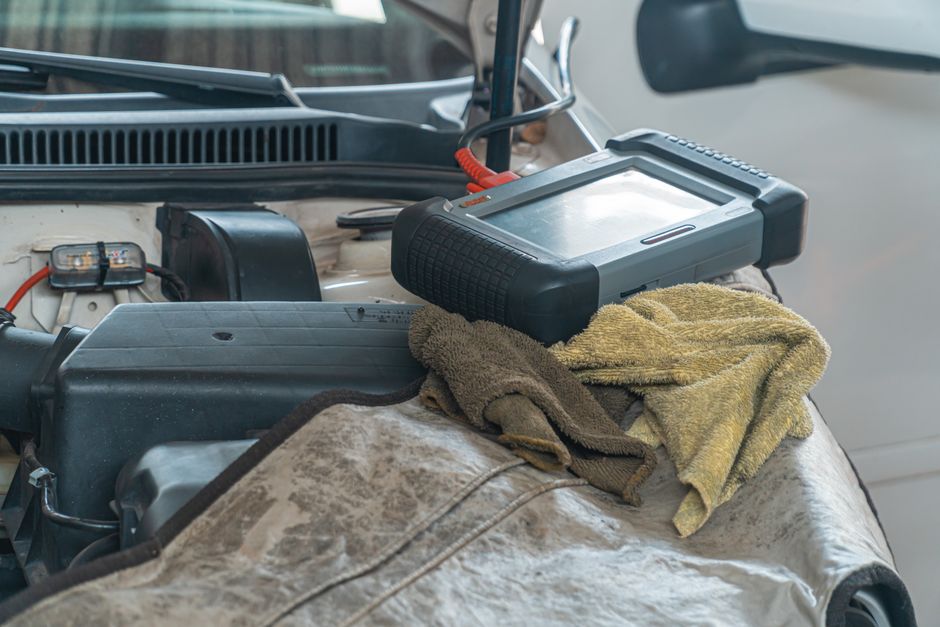
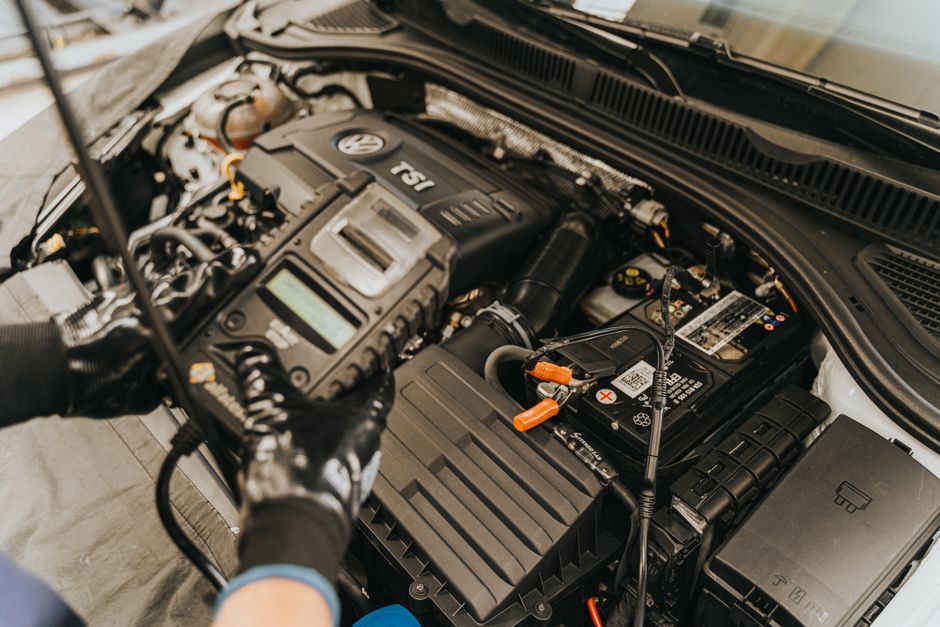
The MOT test examines specific safety and environmental components, with brakes, lights, and exhaust systems receiving particular attention. During inspection, authorised testers assess brake efficiency and balance, checking pads, discs, and fluid condition formally. Lighting checks verify function, aim, and brightness across all vehicle signals, ensuring appropriate visibility. The exhaust system is examined for leaks and emissions control equipment, with analysers measuring permissible limits set for UK road standards. Preliminary diagnostics at MOT Ready aid in identifying such potential issues before the formal examination, as this preliminary check forms part of broader vehicle preparation method. It is structured approach outlining typical checkpoints rather than predicting individual outcomes, as final test results always depend on the vehicle's condition.
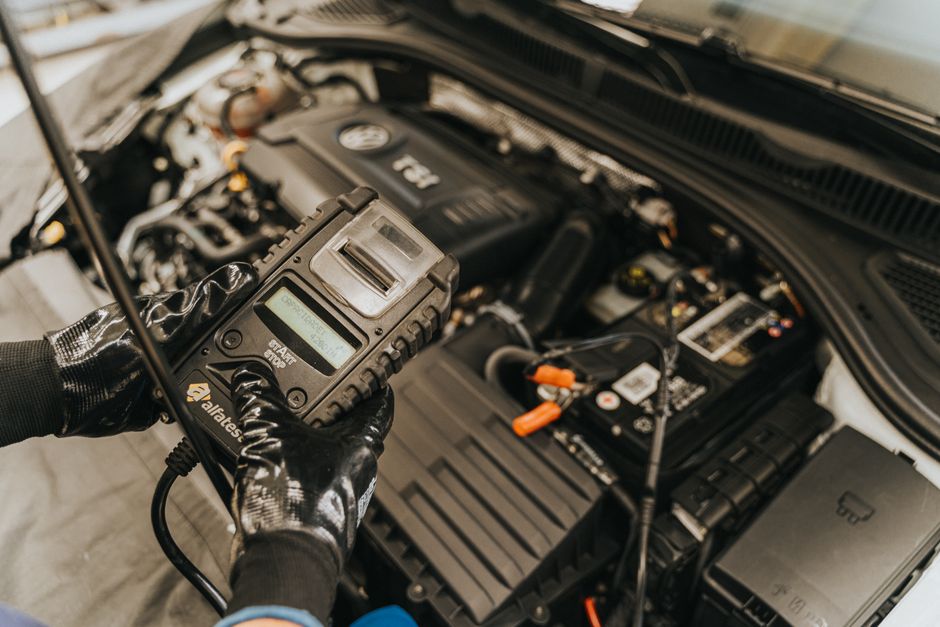
To illustrate how preparation is organised, consider a typical vehicle review process. The first step is a structured diagnostic check covering brakes, lighting, and exhaust systems against current MOT inspection criteria. Where the diagnostic identifies components that do not meet specified requirements, those items are documented in a rectification list. Each point is then addressed methodically, with records kept of the work carried out. Finally, the vehicle often undergoes a repeat verification of the adjusted areas to confirm the changes before the official annual test. At MOT Ready, this sequence is documented but not fixed; additional factors such as vehicle age, mileage, or unexpected findings can change what is needed.
Initial inspection identifies potential issues in brakes, lights, and emissions prior to formal MOT testing.
Any defects noted during diagnostics are addressed according to manufacturer and MOT compliance standards.
Specific systems such as brakes, lighting, and exhaust are examined against MOT requirements.
All checks are finalized and rectifications verified, completing the preparation timeline.
Preliminary diagnostics at MOT Ready are informational procedures designed to identify potential areas that may warrant attention before an annual technical examination. Test outcomes can be influenced by numerous external factors, including vehicle condition, environmental conditions, test equipment calibration, and the specific circumstances at the time of assessment. Results should therefore be interpreted as indicative indicators rather than definitive conclusions about a vehicle's compliance status. The service provides structure and methodology, but it does not replace professional judgement or the formal assessment conducted during the official examination. Different vehicles, usage patterns, and maintenance histories may produce varying observations, and any findings require contextual interpretation. Motorists are encouraged to consider diagnostic information alongside manufacturer guidance and qualified automotive expertise when deciding on next steps.
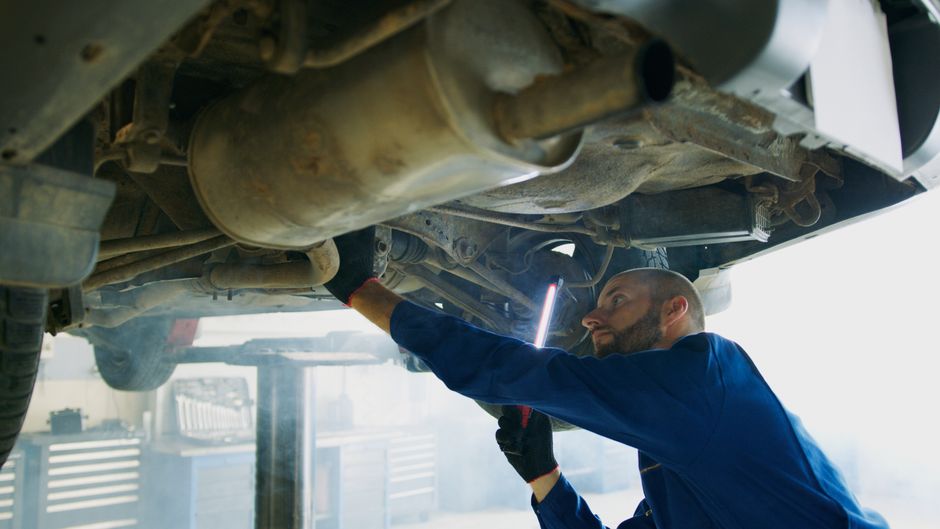
MOT Ready provides structured informational and methodological frameworks to help vehicle owners understand and prepare for the annual MOT test in the United Kingdom. Our approach focuses on outlining key inspection areas, including pre-diagnostic checks, identifying and addressing common faults, and verifying critical systems such as brakes, lighting, and exhaust emissions. These frameworks are designed to enhance clarity about testing requirements and promote a methodical preparation process. They do not replace professional judgment and should be used as reference materials. Ultimately, the outcome of any MOT test depends on multiple external factors beyond our informational resources.
A review of the vehicle's condition and documentation to establish a documented starting point.
Any issues recorded during diagnostics are described and addressed according to agreed scope.
Brakes, lights, and exhaust are examined against the relevant test criteria and recorded.
Check results are summarised, with any follow-up items outlined for the owner's consideration.
Reach MOT Ready by phone, email or the enquiry form below to ask about MOT preparation steps, scheduling, or the location where the service is based.